Philosophy
Refreshed & Naturally Balanced
A facelift is a surgical facial rejuvenation procedure designed to address visible signs of aging in the lower and mid-face — including sagging skin, jowls, loss of jawline definition, and soft-tissue descent.
At Healthynow Clinic, facelift surgery is approached with one fundamental goal: To create a refreshed, naturally balanced appearance rather than simply making the face look tighter.
Facial aging is not caused by loose skin alone. Over time, skin, fat compartments, connective tissues, and supporting structures shift. Modern facelift surgery focuses on repositioning deeper facial structures (SMAS) in a way that respects natural anatomy while restoring youthful vectors.
Book a Facelift Consultation
"The goal is not simply to look younger — but to restore facial balance while preserving the features that make you recognizable as yourself."— Healthynow Clinic, Facelift Philosophy
What Facelift Surgery Addresses
Common Concerns We Treat
Tissues of the lower cheek that have descended below the jawline are repositioned to restore a cleaner jaw contour.
Facelift surgery helps restore the clear transition between the face and neck that characterises a youthful lower face.
Descended facial soft tissues are repositioned to improve cheek contour and reduce lower facial heaviness.
Deeper folds created by tissue descent — particularly around the lower cheek and mouth — can be softened.
When lower facial and neck aging coexist, the lower face, jawline, and neck are evaluated and treated as a single aesthetic unit.
Excess skin is carefully redraped after the deeper structures are repositioned — without placing excessive tension on the skin.
Real Patient Outcomes
Facelift & Contouring Before & After
Real structural rejuvenation achieving V-line jawline definition and cheek repositioning.
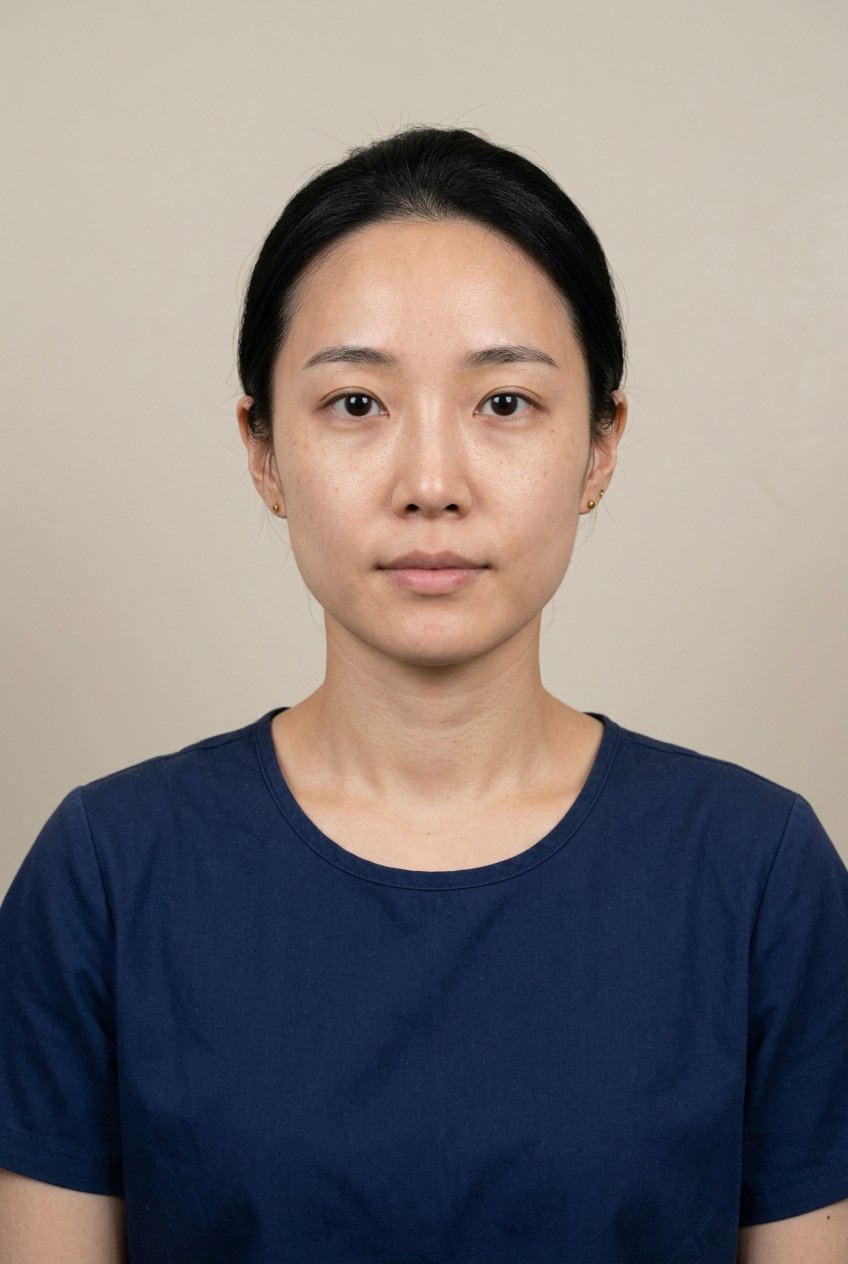 Before
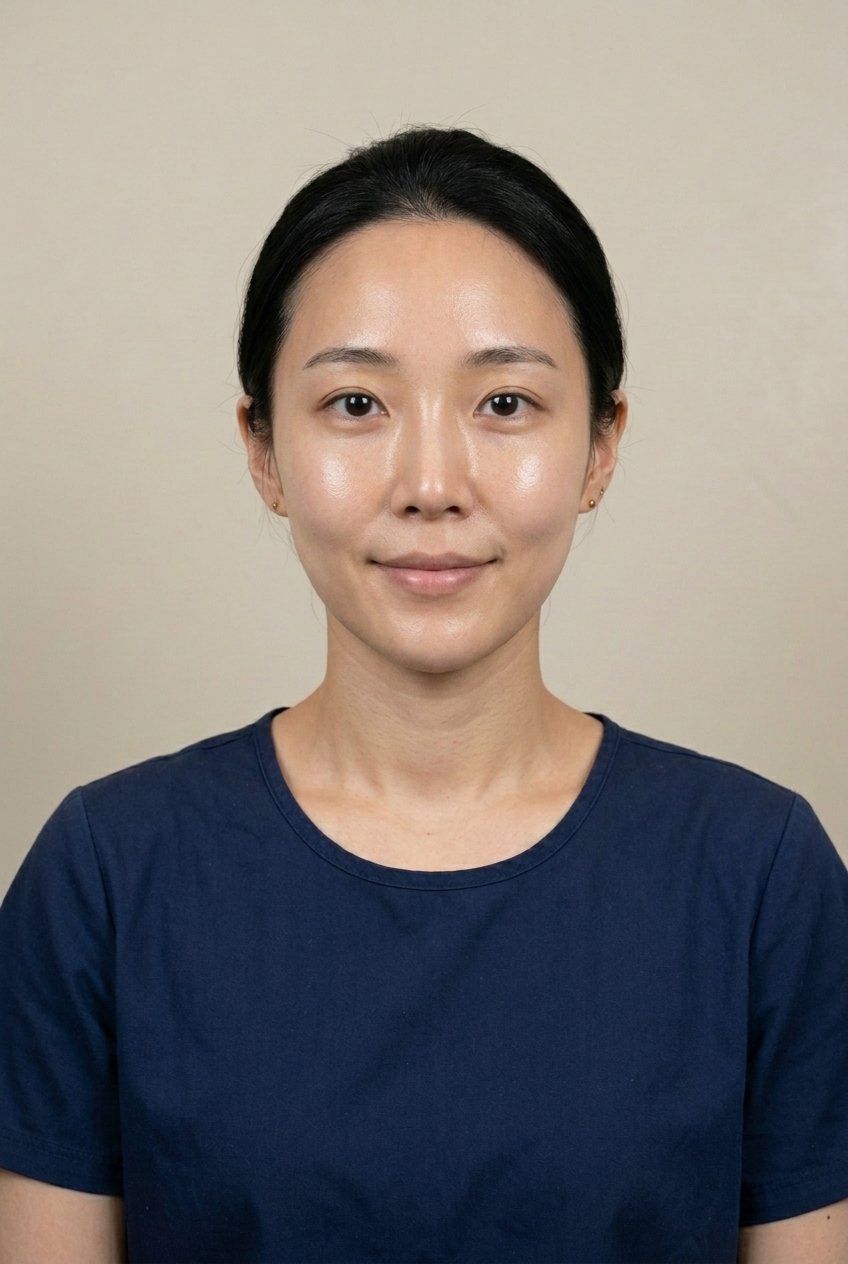 After
After
Deep SMAS & Facial Contouring · Female, 29
Surgical Approach
Facelift Techniques
There is no single facelift technique appropriate for every patient. The optimal approach depends on your degree of facial aging, skin laxity, tissue thickness, jowl formation, and individual goals.
SMAS Facelift
The SMAS (superficial musculoaponeurotic system) is repositioned to support deeper facial structures, creating a stable contour while reducing tension on the skin.
Deep Plane Facelift
Surgical dissection beneath portions of the SMAS to reposition deeper facial tissues. Suited to patients with significant tissue descent, particularly around the cheeks and lower face.
Mini Facelift
A more limited surgical correction considered for selected patients with mild lower facial laxity. Patients with advanced jowling may require a more comprehensive approach.
Our Philosophy
Healthynow's Approach to
Facelift Surgery
01 — Identify the Cause
Sagging skin, jowls, cheek descent, volume changes, and neck aging are each evaluated separately — not treated as a single problem.
02 — Preserve Identity
A successful facelift refreshes the face without creating an artificial or excessively tight appearance. You should still look like you.
03 — Structure Before Skin
Facial aging involves deeper tissues. Skin redraping alone cannot correct every structural change — we address the root cause first.
04 — Avoid Unnecessary Treatment
Not every patient requires the same extent of surgery. Treatment is based solely on your anatomy and individual goals — never on procedure popularity.